Manufacturing Capability
From Product Development to Print-Verified Equipment
Yidimu connects product development, component inspection, equipment assembly, optical adjustment, motion-system checking, platform calibration, control testing, print verification, final inspection and packaging.
Equipment structure and workflow requirements are reviewed around professional resin printing applications.
Mechanical, optical, motion and build-platform systems are prepared as connected parts of the printer.
Control functions, movement and representative printing are reviewed before final preparation.
Resin matching, sample printing and technical communication help connect the equipment with the application.
Process-Based Manufacturing
Manufacturing Capability Is More Than Machine Assembly
A professional resin 3D printer depends on the interaction between its structure, light source, movement, platform, resin, software and post-processing workflow.
Completing the machine enclosure is therefore only one part of the process. The assembled equipment must also be adjusted, operated and evaluated through an appropriate printing workflow before it is prepared for delivery.
- Product and structure review
- Component condition inspection
- Mechanical equipment assembly
- Optical-system adjustment
- Motion-system inspection
- Build-platform calibration
- Software and control testing
- Representative print verification
Manufacturing Workflow
Key Stages from Development to Packaging
The exact procedure may differ by equipment model and project, but the following stages describe the main capability categories.
Product Development
Equipment development considers the intended application, model dimensions, printing process, mechanical structure, optical exposure, operator workflow, maintenance access and compatibility with related materials and post-processing equipment.
Component Inspection
Components can be reviewed before assembly for identification, condition, visible damage, contamination, installation suitability and consistency with the applicable equipment configuration.
Equipment Assembly
The enclosure, internal frame, movement components, resin-vat area, build-platform system, electrical components and control interface are assembled according to the equipment design.
Optical-System Adjustment
The light source and image-forming components are installed and reviewed within the exposure path. The relevant checks depend on whether the machine uses LCD, DLP, SLA or another light-curing architecture.
Motion-System Inspection
Movement can be checked for travel, positioning behavior, lifting operation, unusual resistance and coordination with the build platform and printing sequence.
Platform Calibration
The build platform is installed and calibrated according to the relevant machine procedure. Platform position is important for initial adhesion, layer formation and repeatable operation.
Software and Control Testing
The display, operating controls, file handling, machine communication, movement commands and applicable status responses are checked before print verification.
Print Verification
A suitable resin and representative test model are used to review practical operation, including platform adhesion, layer formation, print completion and visible feature reproduction.
Finished Equipment Inspection
The completed printer is reviewed for external condition, installed components, basic operation, accessories, identification and the confirmed delivery configuration.
Packaging Preparation
The equipment and confirmed accompanying items are prepared for packing. Protective materials and package arrangement depend on the machine structure and order requirements.
System-Level Checks
Optics, Motion, Platform and Controls Work as One System
Individual components cannot establish printing performance by themselves. Their interaction must be evaluated within the assembled machine.
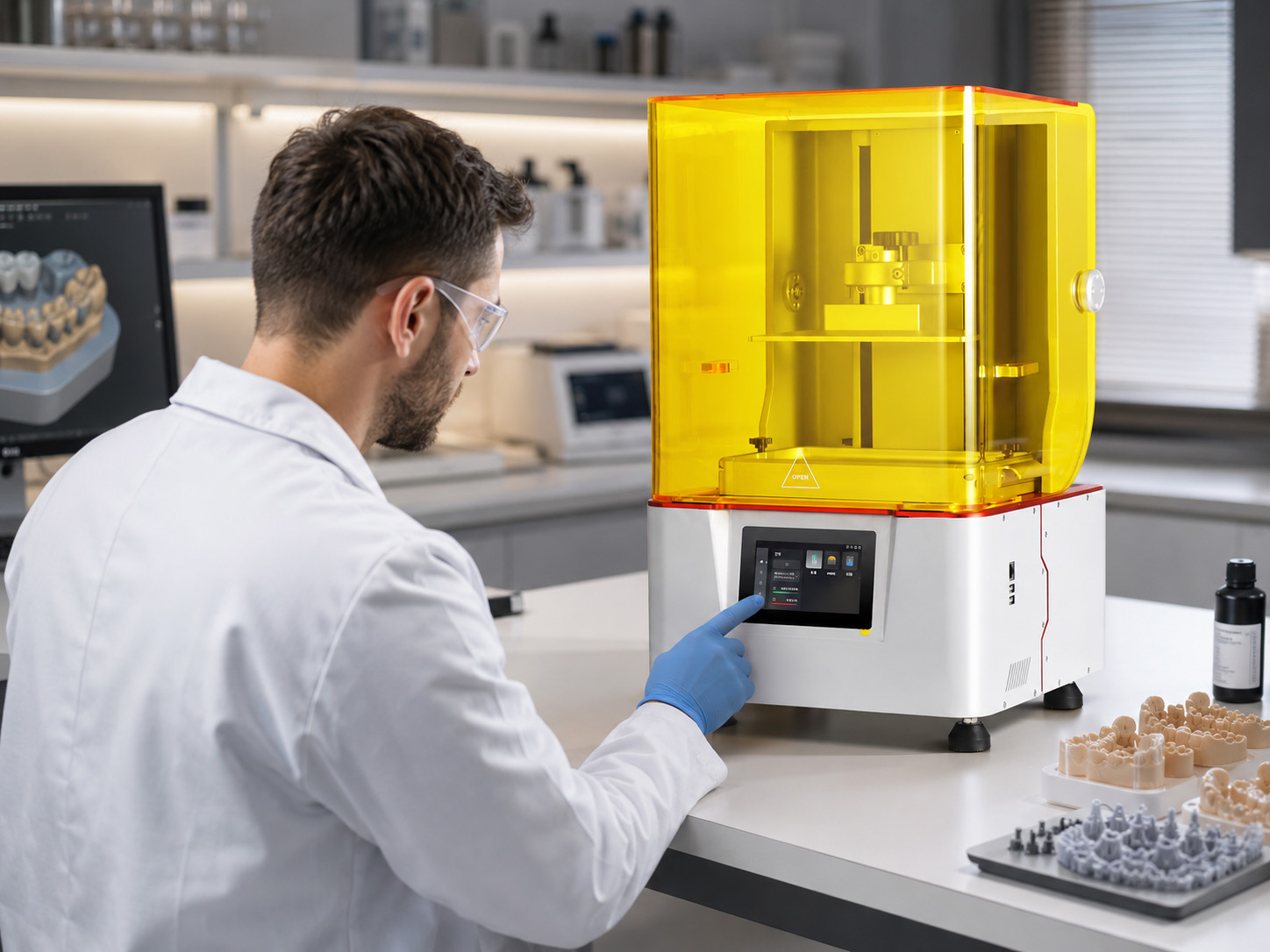
Light-Exposure Path
The light source and related image-forming components are reviewed within the applicable printer architecture. The process focuses on controlled operation rather than relying on screen resolution alone.
Movement and Positioning
Z-axis movement, lifting behavior and mechanical coordination influence separation, support loads and layer formation during printing.
Installation and Calibration
Platform condition and position are checked according to the equipment procedure before representative printing. Calibration requirements can differ between machines.
Software and Operating Functions
The control interface, file processing, machine response and relevant operating functions are reviewed as part of the completed equipment workflow.
Print Verification
Evaluating the Assembled Printer Through Actual Printing
Print verification connects equipment assembly with practical output. The model, resin and settings should be appropriate for the printer and the purpose of the test.
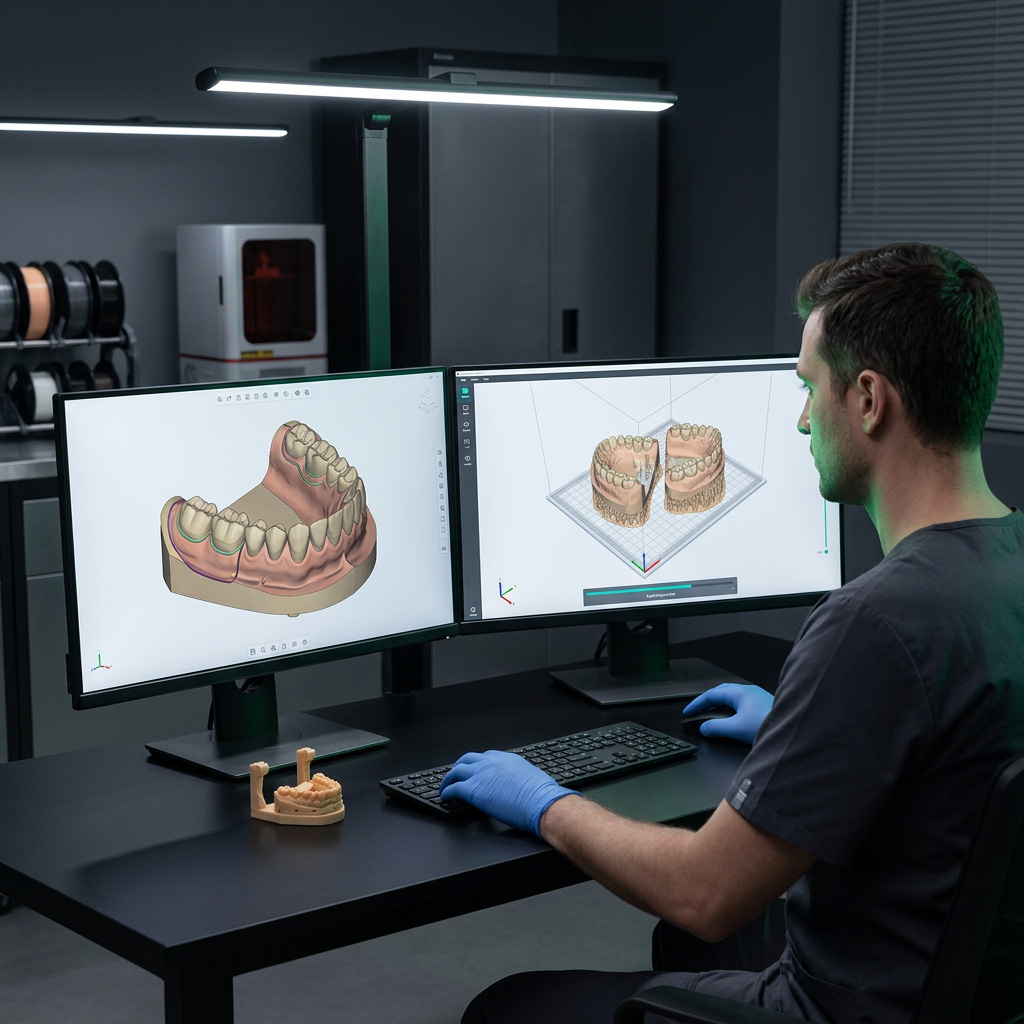
Test Preparation
The machine configuration, platform, resin vat, material, sliced file and applicable printing profile are reviewed before the test begins.
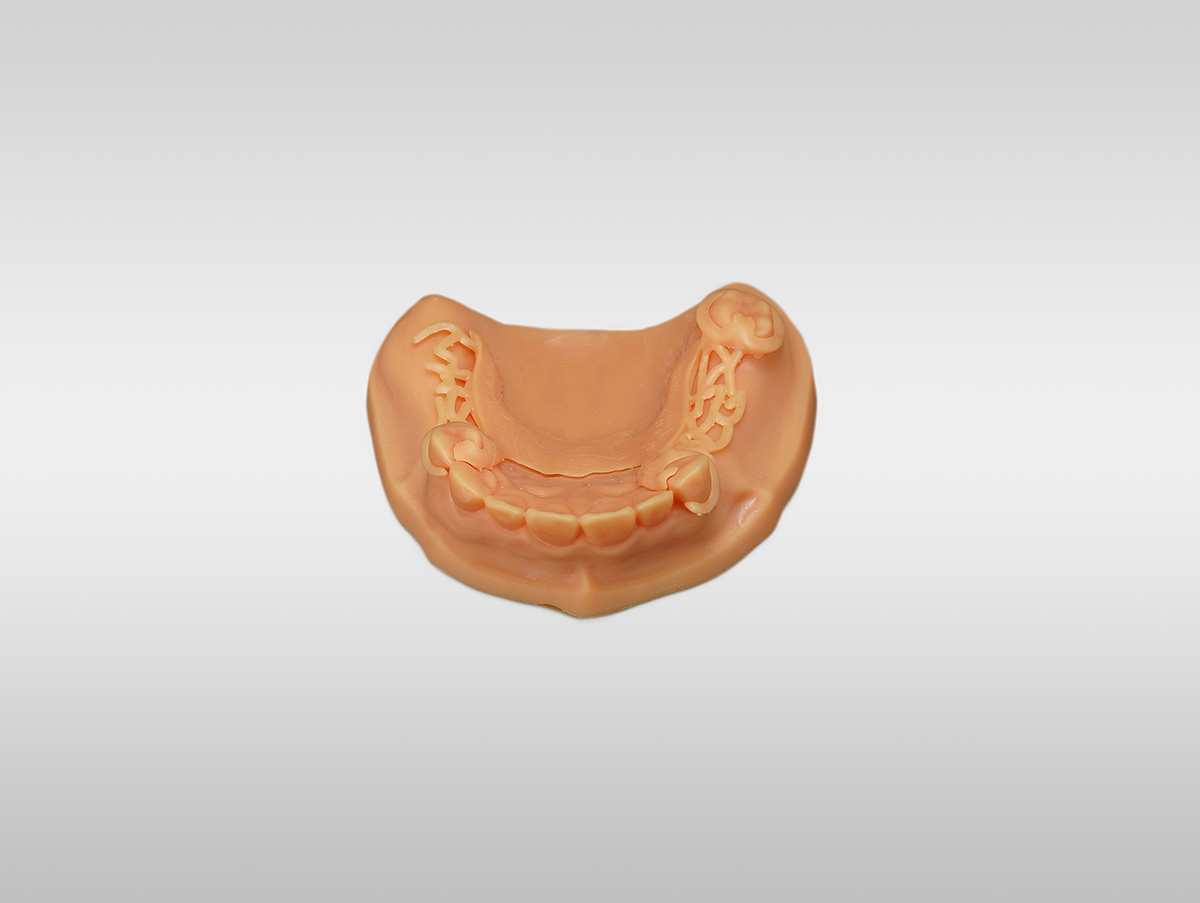
Printing Operation
The test reviews whether the machine completes the selected build and whether its main systems operate together during the printing sequence.
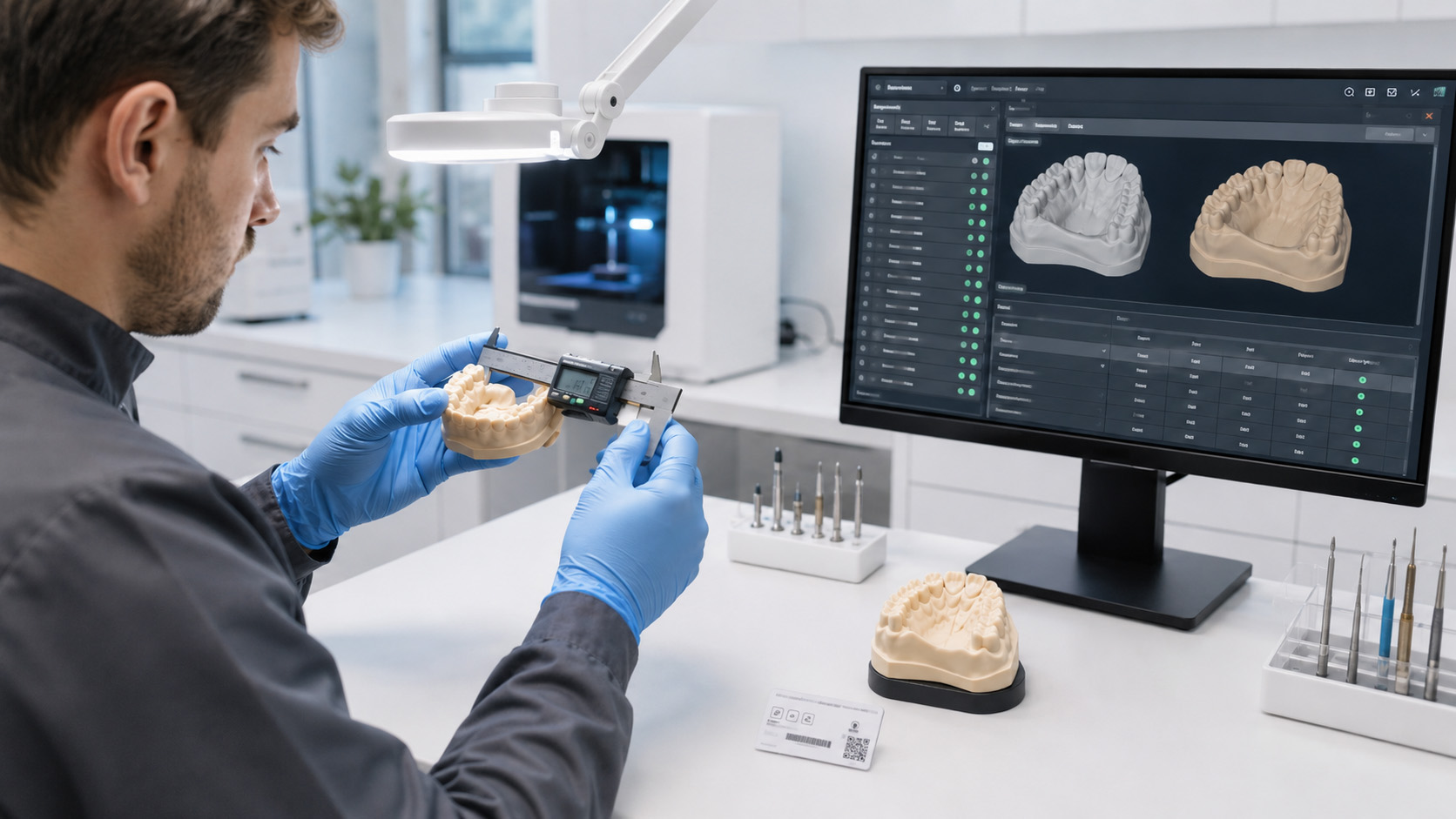
Result Review
The printed model can be reviewed for print completion, visible defects, feature reproduction, surface condition and other criteria relevant to the test objective.
Machine specifications describe individual features. Representative printing helps evaluate how the assembled system operates as a complete workflow.
Connected Capabilities
Equipment, Resin and Sample Printing Support
Manufacturing support also requires communication between the printer, material, model geometry and post-processing workflow.
Resin Matching
Resin selection can be discussed according to the printer, model type, required surface, mechanical expectations and washing and curing workflow. Compatibility must be confirmed for the specific equipment and material combination.
Sample Printing
Representative customer files can help review printability, support strategy, equipment suitability, resin behavior and post-processing requirements before an equipment or production decision.
Workflow Coordination
Printer selection should be considered together with file preparation, slicing, resin handling, washing, drying, support removal, UV curing, inspection and maintenance.
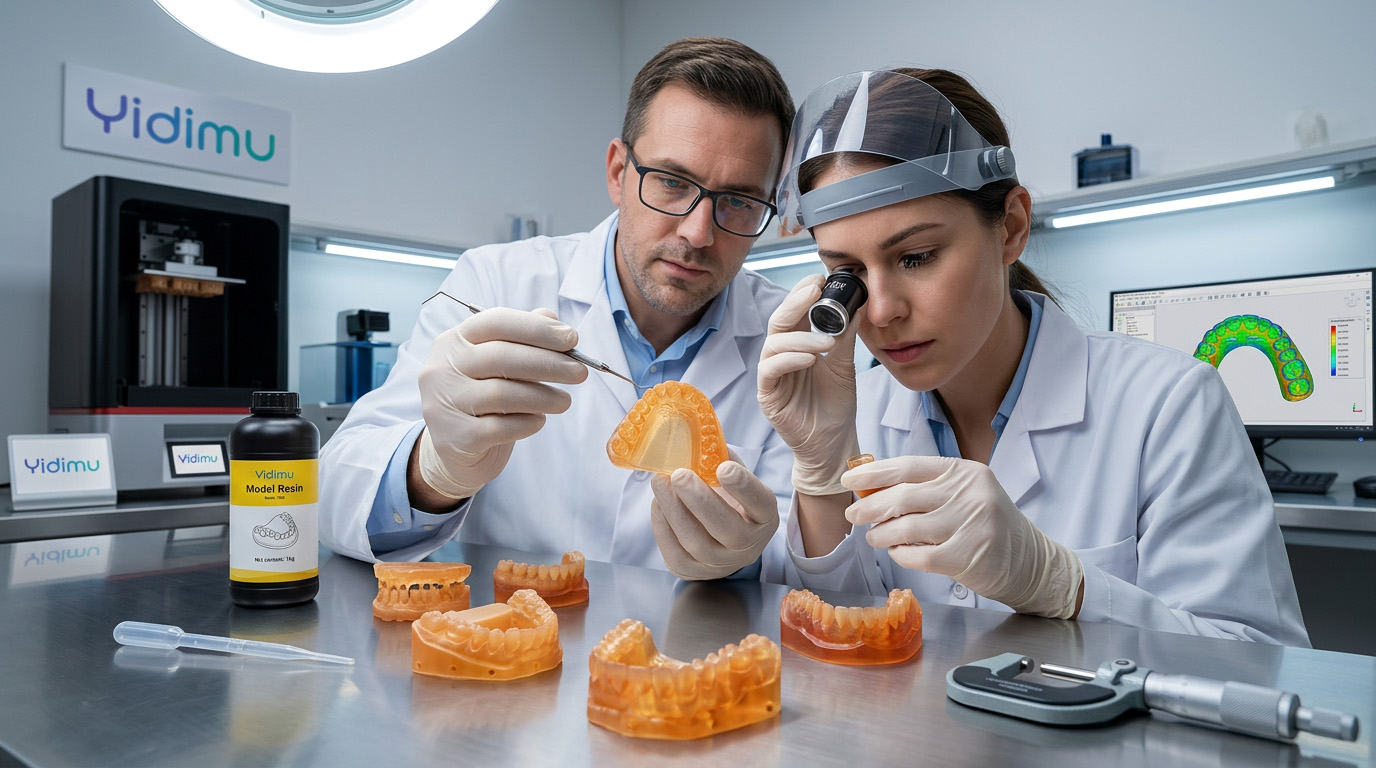
Custom Requirement Communication
Start with the Actual Printing Requirement
A customization request should begin with the intended model, material and workflow instead of a general request for a modified printer.
Yidimu can review available project information and discuss whether the requirement relates to equipment configuration, resin matching, sample printing, workflow planning or another technical consideration. Feasibility and project scope require individual confirmation.
Final Preparation
Finished Inspection and Packaging
Before delivery, the equipment and confirmed order contents are reviewed and prepared for packing according to the machine and order configuration.
The enclosure, visible surfaces, control interface and accessible machine areas are reviewed before packing.
Applicable operating functions and machine responses are checked before the equipment is prepared for shipment.
The equipment model, confirmed accessories and available accompanying items are reviewed against the agreed order.
Protective materials and package arrangement are selected according to the equipment structure and delivery requirements.
Frequently Asked Questions
Manufacturing Capability FAQ
What products are included in Yidimu’s manufacturing capabilities?
Yidimu works with resin 3D printing equipment, including dental and industrial printers, resin materials, UV curing equipment and related workflow solutions for professional applications.
Is print verification based only on printer resolution?
No. Printed results can also be affected by the optical system, platform calibration, mechanical movement, exposure, resin behavior, orientation, supports, washing, curing and inspection method.
Does one test model represent every dental application?
No. A useful test should reflect the intended model geometry, resin, important features, dimensional requirements and post-processing workflow.
Can customers submit their own files for sample printing?
Customers can submit representative project information for review. Useful information includes the model file or CAD images, dimensions, intended use, resin requirements, important surfaces and evaluation objectives.
Can customized equipment requirements be discussed?
Custom requirements can be discussed according to the actual application. Technical feasibility, available options, scope, cost and delivery conditions require separate confirmation.
Why are no factory-size or production-volume figures listed?
This page does not publish unconfirmed figures for factory area, production-line count, equipment count, employee count, monthly production, annual production or warehouse capacity.
Discuss Your Application
Connect Manufacturing Capability with Your Workflow
Send your model dimensions, intended application, resin requirements, expected quantity, surface expectations and available files for equipment, material and sample-printing communication.