Dental 3D Printing Case Studies
Explore structured dental 3D printing case categories covering dental laboratories, orthodontic models, restorative models, sample testing and equipment selection. Published cases will only include information that has been reviewed and approved for public use.
Review dental printing projects by workflow
Each category is designed to document the original requirement, selected equipment and material, processing workflow, inspection method and confirmed observations without making unsupported performance claims.
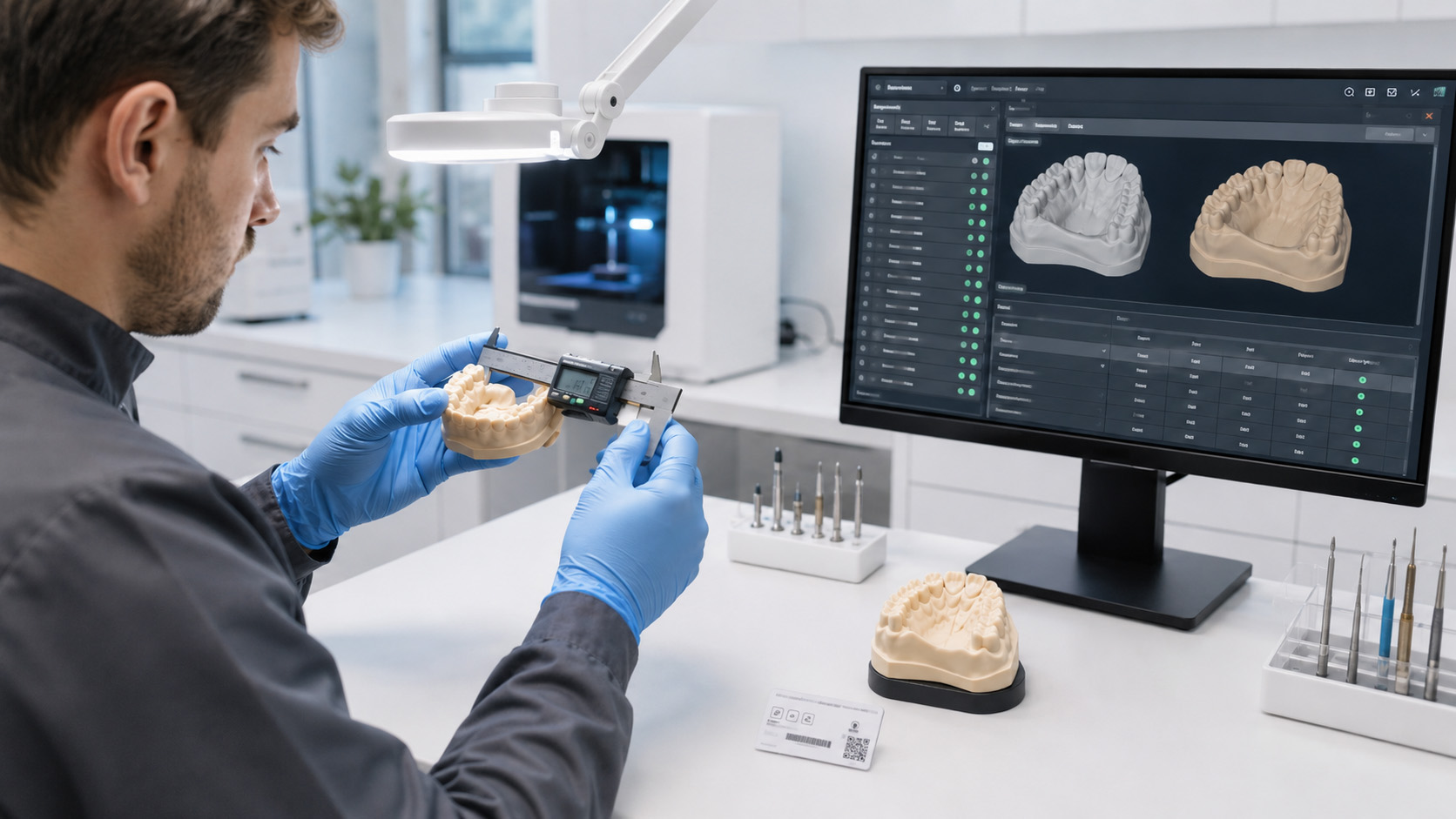
Dental Laboratory Workflow Case
A structured case format for documenting how a dental laboratory evaluates model types, batch requirements, resin compatibility, post-processing and production control.
Production volume, printing time, remake rate and efficiency information will not be published unless supporting records and customer approval are available.
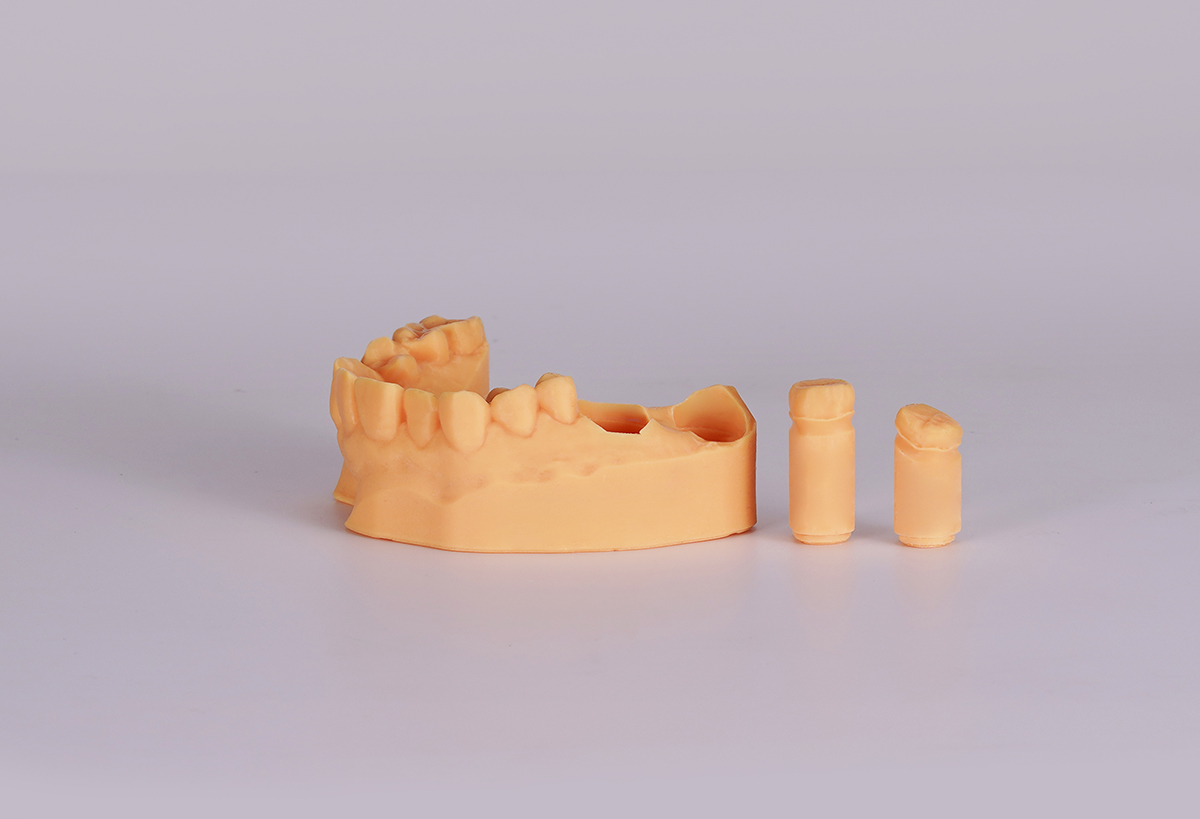
Orthodontic Model Printing Case
A case format for orthodontic working models, model preparation, build layout, washing, drying, support removal, UV curing and final model review.
The case must distinguish model-production information from any clinical decision, diagnosis or treatment claim.
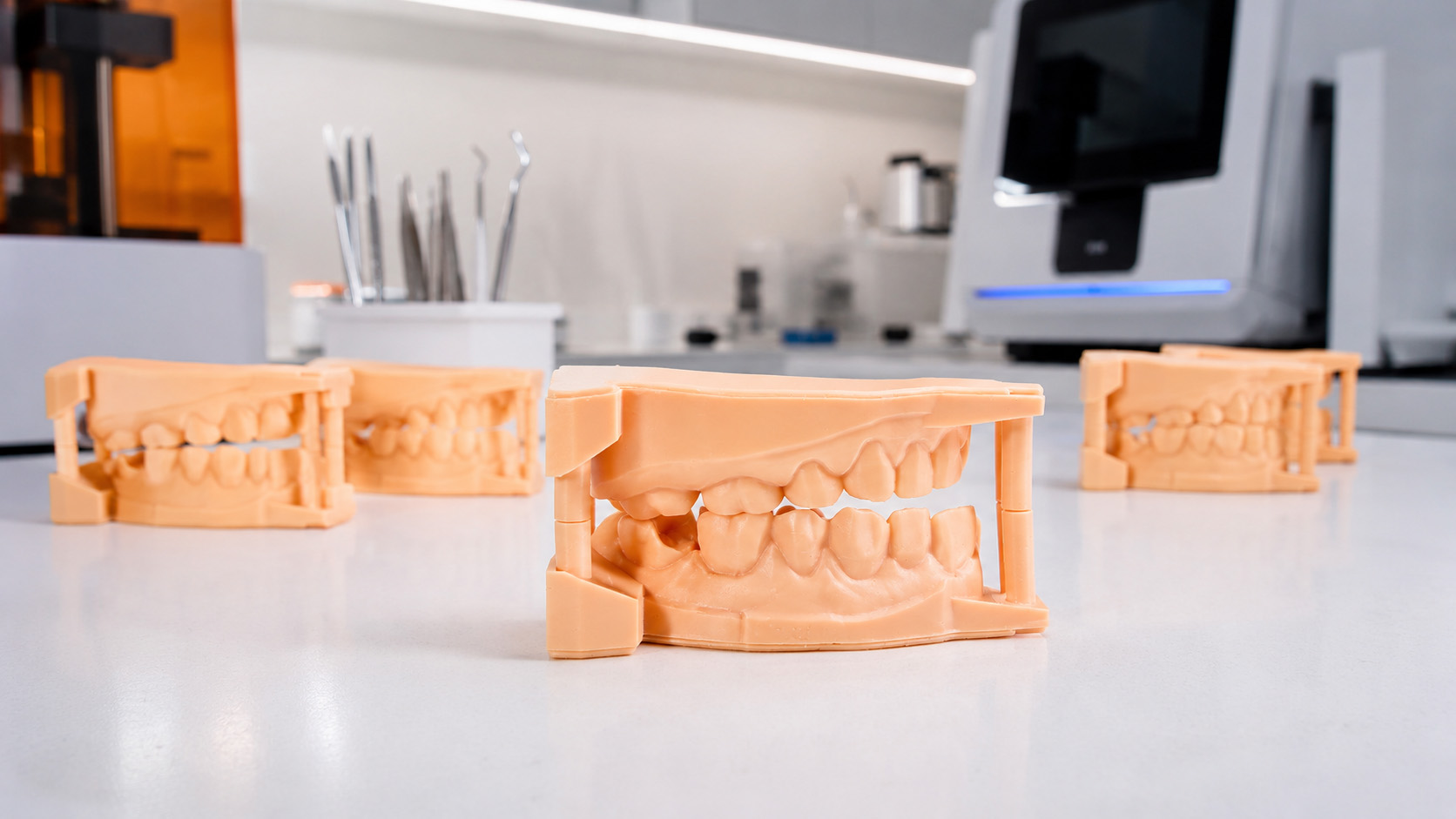
Restorative Model Workflow Case
A structured record for crown, bridge, removable die or related restorative model workflows, depending on the confirmed project scope and material documentation.
Dimensional results, fit observations and downstream-use statements require an identified inspection method and authorization before publication.
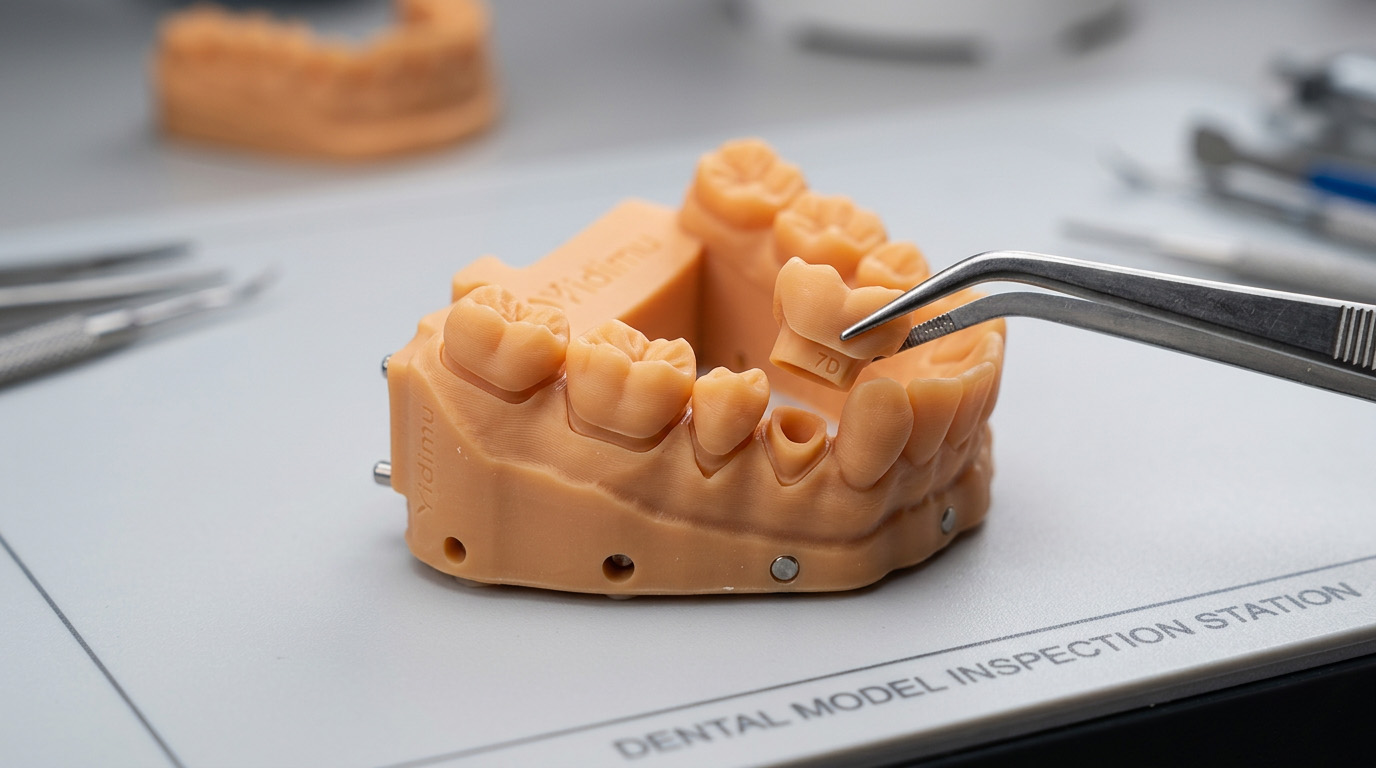
Dental Sample Printing and Evaluation Case
A case template for recording the submitted model, evaluation objective, selected equipment, material, process notes and customer review criteria.
A successful visual sample must not be described as proof of production accuracy, repeatability or suitability for every dental application.
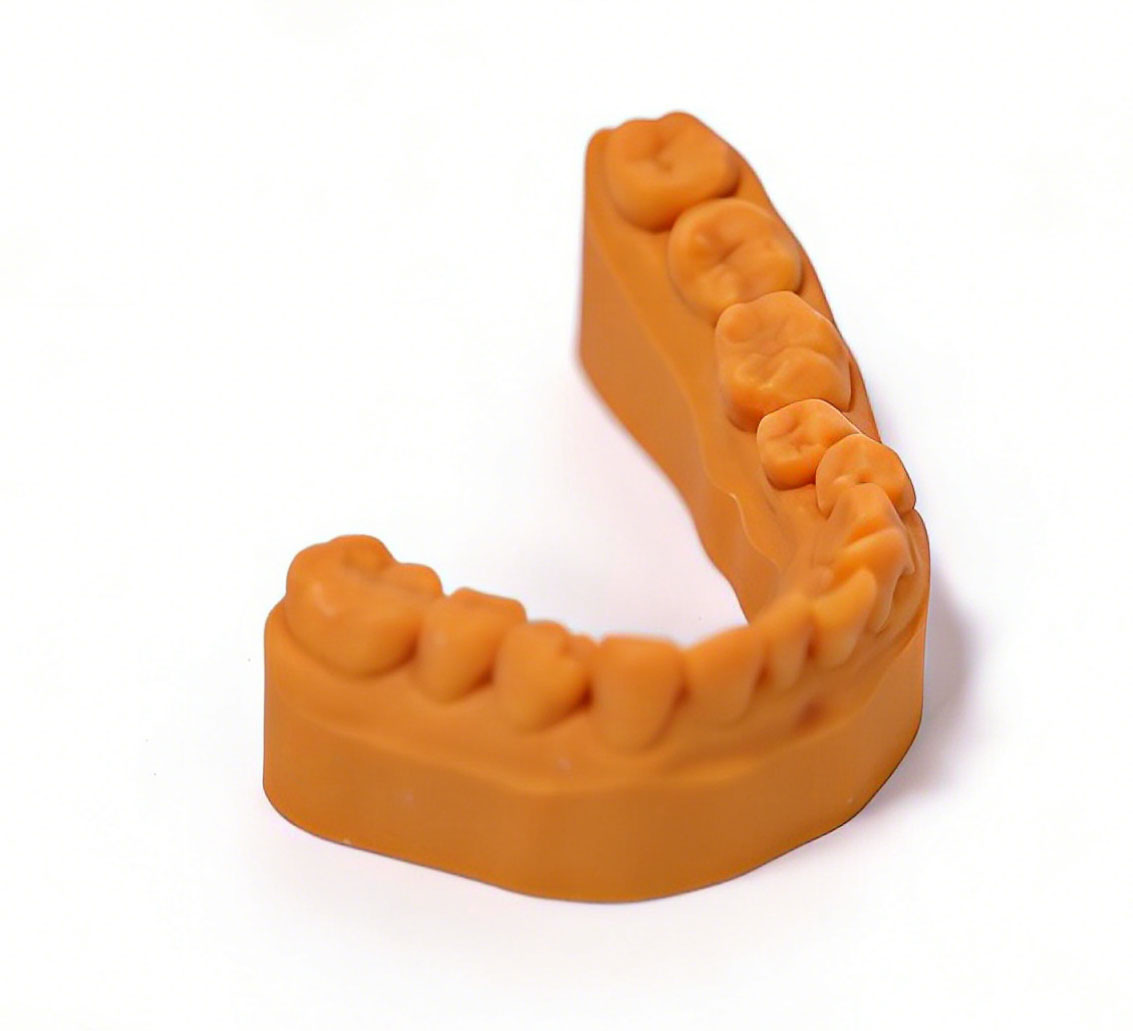
Dental 3D Printer Selection Case
A decision record showing how application, model size, material compatibility, expected workload, post-processing and technical support were considered during equipment selection.
Equipment selection cases must explain the project requirements rather than claiming that one specification or printer is universally superior.
What an approved case study should document
A useful dental 3D printing case should make the original requirement, complete workflow and evaluation boundary clear.
Project background
Identify the organization type, general application and original workflow requirement without disclosing confidential patient information.
Submitted model
Record the model category, dimensions, critical features, quantity and intended evaluation purpose.
Selected configuration
Identify the confirmed printer, resin, slicing approach and relevant equipment configuration.
Complete workflow
Document printing, washing, drying, support removal, UV curing and handling steps using approved information.
Inspection method
Explain whether evaluation used visual inspection, measurement, fit review, scanning or another identified method.
Approved observations
Publish only observations supported by available records and approved by the relevant organization or project owner.
Information needed to prepare a dental 3D printing case
Use the following structure when submitting a laboratory project, model test or equipment selection case for review.
Before submitting information
Remove patient names, identification numbers and other private records from all files, screenshots, labels, photographs and videos.
- Confirm permission to identify the organization.
- Confirm permission to display its logo or facility.
- Provide original images rather than copied images.
- Separate measured results from personal opinions.
- Identify the method used to evaluate the final model.
- Mark confidential information that cannot be published.
Dental 3D Printing Case Information
Replace each placeholder only with verified project information.
1. Organization and permission
2. Project requirement
3. Equipment and material
4. Process information
5. Evaluation and supporting records
Records that may support case review
The required evidence depends on the type of statement being considered for publication.
Original project images
Clear photographs of the printer, printed models and post-processing workflow with publication permission.
Printer and resin identification
Confirmed equipment model, resin name, batch information where relevant and applicable technical documents.
Workflow records
Slicing information, process notes, washing method, drying procedure and UV curing information.
Inspection documentation
Measurement records, scan comparisons, visual inspection notes or other identified review methods.
Customer approval
Written confirmation covering the text, organization identity, images, quotations and approved observations.
Privacy review
Confirmation that patient names, identifiable records and confidential production information have been removed.
Questions about dental 3D printing case submissions
Are the current entries published customer case studies?
No. The current entries are case study structures. Customer names, performance data, quotations and results will only be added after the information has been verified and approved for publication.
Can a case be published without identifying the customer?
An anonymized case may be considered when the project owner permits publication of the technical workflow but does not permit publication of its name or logo. The description must not contain details that indirectly reveal confidential information.
What files are useful for a sample-testing case?
Useful materials may include the model file, overall dimensions, intended application, critical features, material requirement, quantity, reference images and the planned inspection method. File acceptance should be confirmed before transfer.
Can production savings or printing speed be included?
Such information should only be published when the calculation method, comparison period, equipment configuration and supporting records are available and the organization has approved the statement.
Does a case study confirm clinical suitability?
No. A technical case study does not replace material instructions, professional judgment or regulatory review. Intended use, printer compatibility, washing, UV curing and local requirements must be confirmed for the specific application.
How is an equipment selection case prepared?
The case should document the required model types, dimensions, workload, resin needs, post-processing process, inspection method, maintenance considerations and support requirements. It should not present one specification as the only basis for selection.
Have a dental model or workflow that needs evaluation?
Send the model dimensions, intended application, material requirement, expected quantity, critical features, post-processing needs and evaluation objective. Available information can then be reviewed for sample printing or equipment selection.
All equipment, resin and workflow recommendations remain subject to project review, applicable product documentation and confirmation of the intended use.