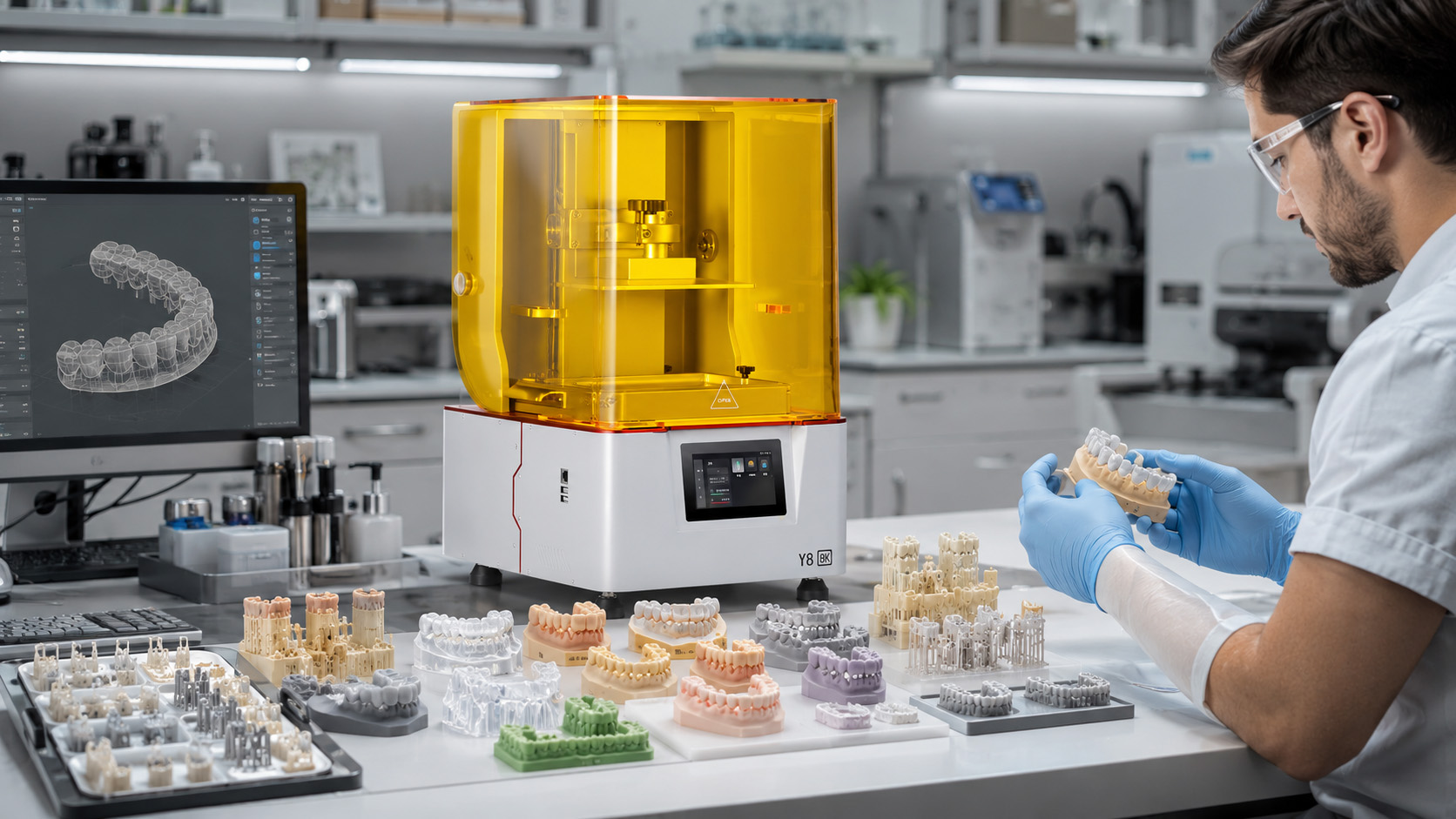
Dental 3D Printing Applications
Evaluate dental model printing workflows for laboratory planning, production support, model inspection, and downstream dental manufacturing processes.
Separate printed models from direct intraoral products
The intended use of the printed part determines the material, equipment, documentation, post-processing, and compliance requirements.
Working Models
Physical models used for design review, fit evaluation, laboratory communication, and process planning.
Production-Aid Models
Positive models, removable-die models, thermoforming models, and castable patterns used during another production process.
Direct Intraoral Products
These require product-specific material documents, validated equipment, controlled post-processing, professional review, and applicable regulatory support.
Dental model workflows that can be evaluated
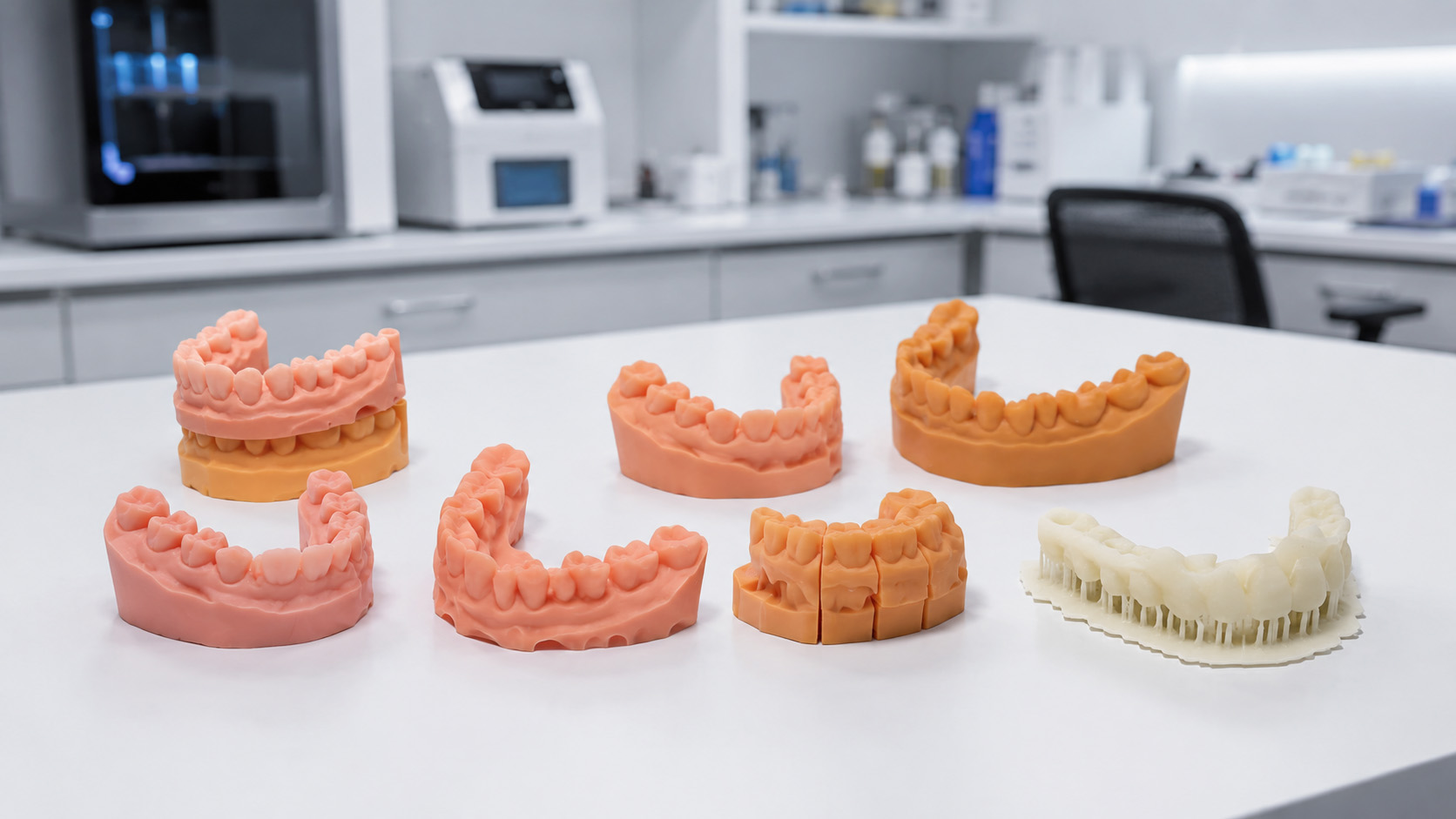
Working and production-support models
Dental Models
Models for morphology review, fit checking, communication, and laboratory planning.
Orthodontic Models
Study, records, setup, and laboratory working models.
Aligner Working Models
Positive models used in a separately validated thermoforming workflow, not directly printed aligners.
Restorative Models
Crown, bridge, removable-die, and related working models, not final restorations.
Implant Models
Models used for laboratory planning, component positioning, and workflow assessment.
Castable Dental Models
Printed patterns evaluated with the selected resin, investment material, burnout process, and casting method.
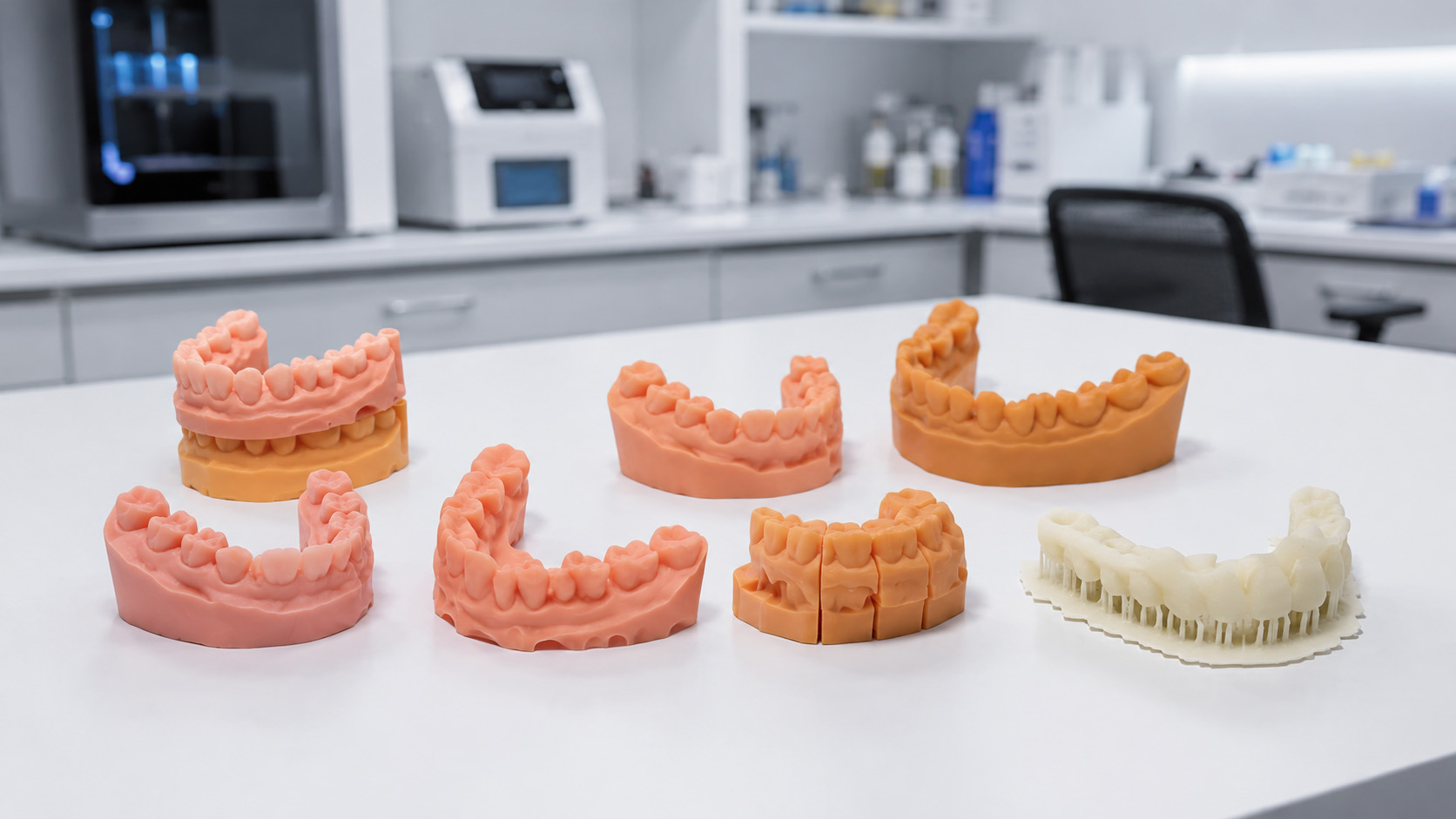
Restorative and Implant Models
Model geometry, removable components, surface visibility, fit requirements, and handling needs should be reviewed before routine printing.
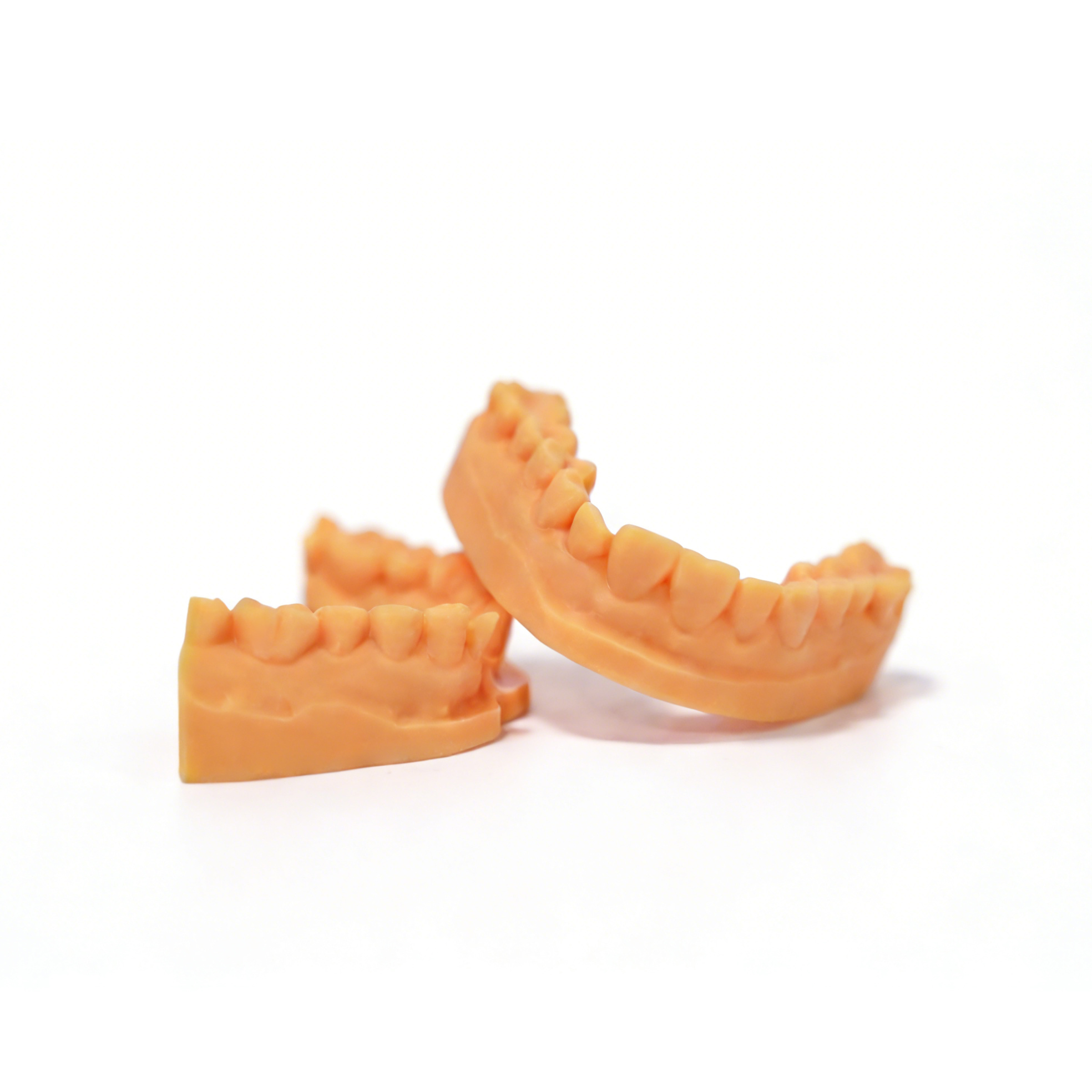
Castable Patterns
Casting results depend on the complete resin, investment, burnout, casting, and finishing process.
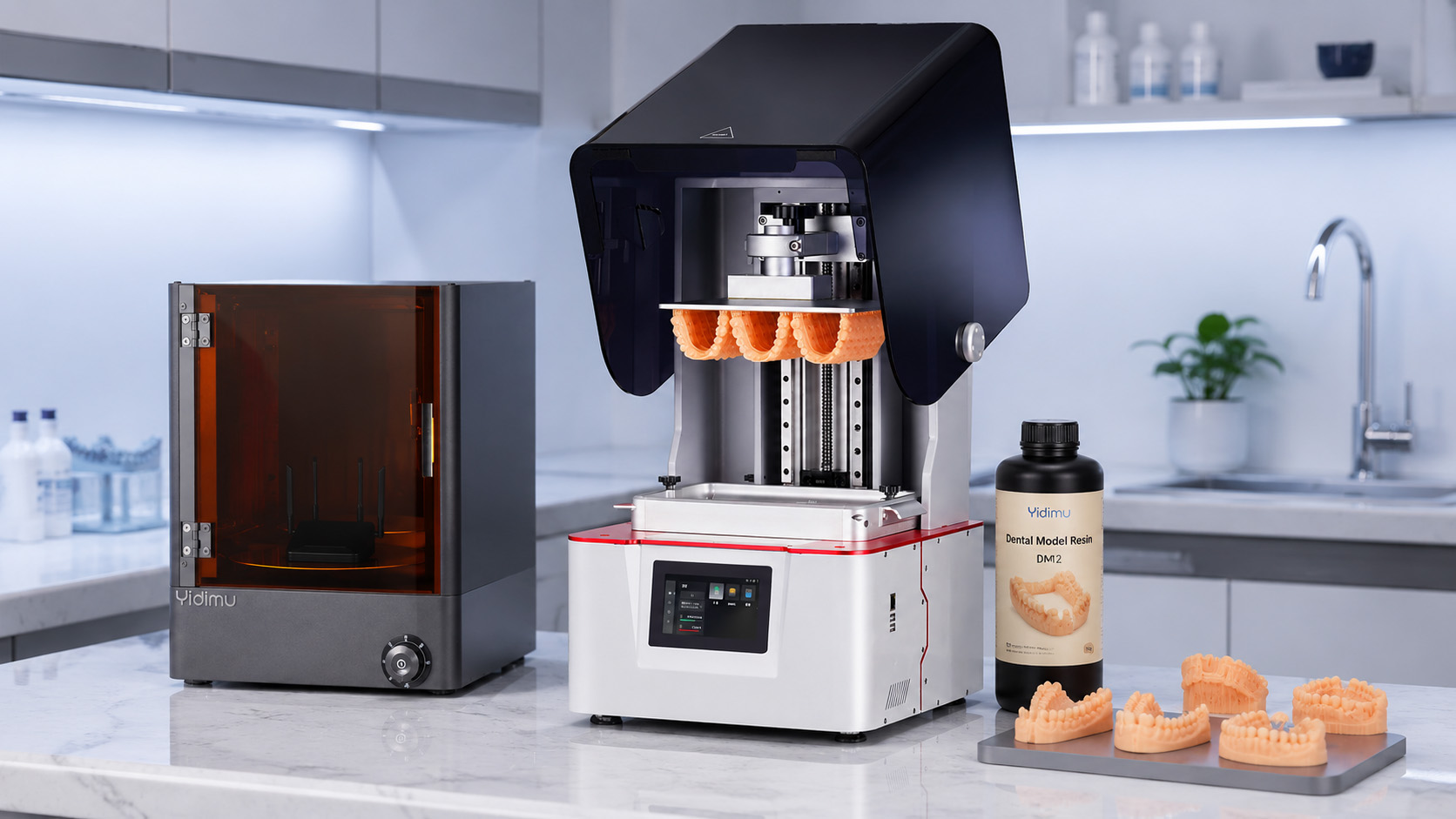
Evaluate the complete printing system
Printer capacity alone does not confirm resin suitability or the permitted use of a finished part. Review the printer, material, processing steps, and intended output together.
- 01 Model dimensions, geometry, orientation, and supports
- 02 Required surface detail, color, and handling characteristics
- 03 Printer light-source and resin compatibility
- 04 Cleaning, drying, support removal, and UV curing requirements
- 05 Inspection method and downstream laboratory process
- 06 TDS, SDS, IFU, compatibility records, and local requirements
From model review to final inspection
Confirm the model type and intended workflow.
Review geometry, orientation, supports, and slicing.
Use documented or internally validated settings.
Wash and dry according to the resin documentation.
Match the curing process to the material and part.
Review surfaces, dimensions, fit, and process records.
Yidimu is an equipment and material supplier, not a hospital, clinic, diagnostic provider, or treatment provider. This page does not claim that one resin is suitable for every dental or intraoral application. Permanent crowns, directly printed aligners, dentures, occlusal splints, surgical guides, and other patient-contact products must not be promoted without formal documentation supporting the exact material, printer, post-processing method, intended use, and regulatory market. Qualified dental professionals are responsible for confirming the final clinical application.
Dental 3D printing application questions
Can one resin be used for every dental application?
No. Suitability depends on the exact material, intended use, printer compatibility, documented settings, post-processing, supporting product information, and applicable regulations.
Does this page include directly printed clear aligners?
No. The aligner workflow described here refers to positive working models used in a separate thermoforming process. Directly printed aligners require dedicated material and system documentation for that specific intended use.
Can dental model resin be used inside the mouth?
A model resin should not be treated as an intraoral material unless the exact product documents specifically support that use. Review the TDS, SDS, IFU, compatible equipment, post-processing instructions, and local requirements.
How should UV curing time be selected?
Follow the formal resin and curing-equipment instructions. Curing requirements can vary with resin type, model dimensions, wall thickness, color, geometry, equipment, and application. There is no universal curing time for all dental materials.
What information is needed for sample evaluation?
Provide the digital model, application category, dimensions, quantity, material direction, surface expectations, post-processing plan, and inspection requirements.
Discuss your dental model printing application
Share the model type, dimensions, quantity, material requirements, post-processing plan, and inspection expectations for an initial technical review.